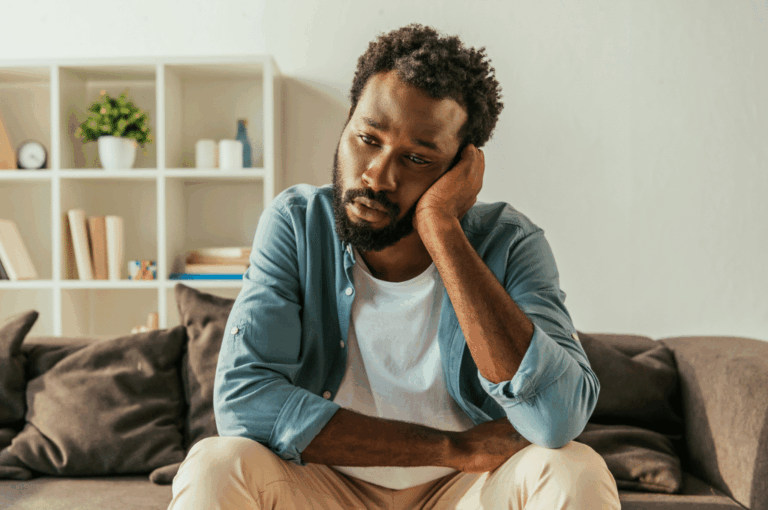
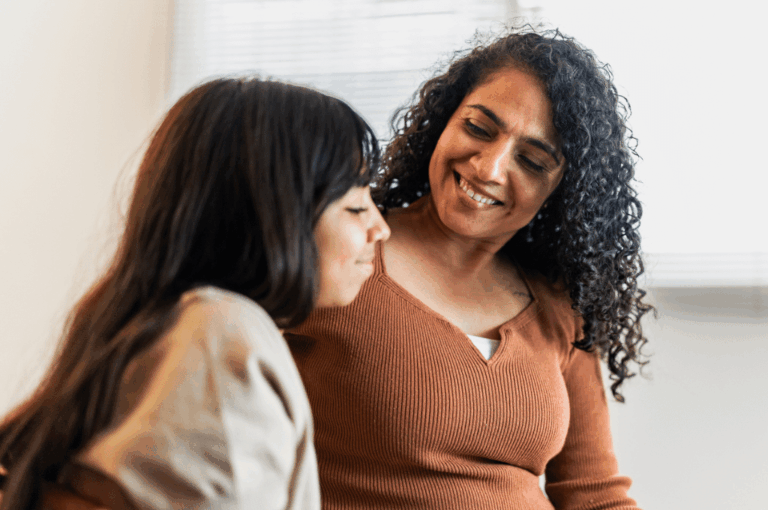
The Gap Between Mental Health Needs and Mental Health Access for BIPOC
Mental health affects people of every race, background, and culture. But access to mental health care is not equal for everyone. For many Black, Indigenous,...
Read ArticleMental health affects people of every race, background, and culture. But access to mental health care is not equal for everyone. For many Black, Indigenous,...
Read ArticleEach person’s cultural beliefs, religion, experiences, and family dynamics shape their mental health, especially in Black, Indigenous, and People of Color (BIPOC) communities that have...
Read ArticleResearch has shown that LGBTQ+ youth have higher rates of anxiety, depression, suicidal thoughts, and emotional distress than heterosexual youth. But they’re not more prone...
Read ArticleMental health and physical health are no longer viewed as separate parts of a person’s well-being. Because all systems within the human body are connected,...
Read ArticleTechnology touches every part of family life and offers plenty of benefits. We use smartphones to communicate throughout the day, manage family calendars, find information,...
Read ArticleWhen we experience physical pain, we sometimes dismiss it as normal. It’s just normal aches and pains. I’m just getting older. It’s not that bad....
Read ArticleWhile much has been done to overcome the stigma surrounding mental health, we as a society have a long way to go. According to the American...
Read ArticleSometimes the underlying causes of mental health disorders are practical, like food, housing, and sleep. If your most basic needs aren’t being met, even the...
Read ArticleYou might feel a little nervous, intimidated, or skeptical about starting therapy for a lot of reasons, and that’s okay. It’s a different experience with a new...
Read Article